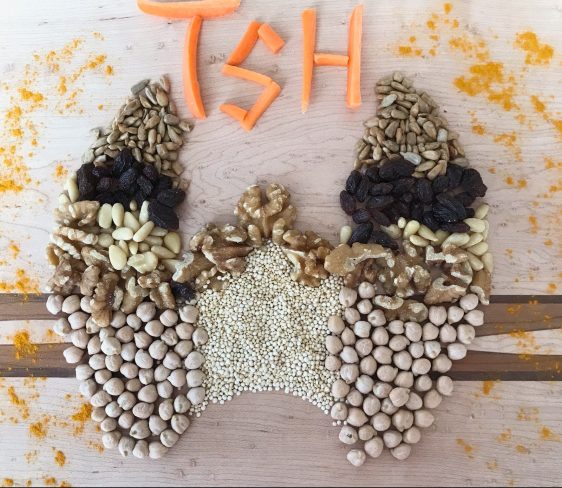
The thyroid is a butterfly shaped gland that sits in the middle of the lower neck in front of the trachea. It produces hormones that are involved in vital functions in your body such as metabolism, growth and development, heart rate, energy level, calcium balance, temperature control, and mood.
It is estimated that over 12 % of the US population will develop a thyroid issue, however, thyroid problems are seen more frequently in women than men. It is believed one in every eight women will develop a thyroid issue at some point in her life.
There are different types of thyroid disorders, however, an underactive thyroid or hypothyroid is most common. In hypothyroidism, your body requires more thyroid hormone in order to function properly. As a result, in most cases, thyroid-stimulating hormone (TSH) levels will be elevated. TSH is the blood test most commonly used to asses thyroid function by doctors. Although, other tests should be run to determine if thyroid disease is due to an autoimmune disorder. It is estimated that 50% of women who test positive for antithyroid antibodies had a TSH that was still within the normal range.
Inadequate thyroid hormone production can cause fatigue, sensitivity to cold, brain fog, constipation, muscle weakness, joint pain, and depression. And to top off a horrible list of symptoms, most people experience unwanted weight gain. It’s estimated that an underactive thyroid can slow metabolism by 15-40% making it very difficult to lose weight.
Weight gain in hypothyroidism can be due to a variety of causes including changes in levels of hormones that are responsible for satiety and hunger. Typically, there is increased resistance to leptin, the satiety hormone, and an increase in the production of ghrelin, the hunger hormone. As you can imagine, these changes will leave you feeling an annoying, insatiable hunger.
Fortunately, there are diet changes that can help lessen the symptoms of hypothyroidism. Start with eating three balanced meals per day to help maximize nutrient intake. Choosing foods high in fiber and low in added sugar helps digestion and evening out energy levels. There are specific recommendations for various foods that contain goitrogens which are compounds that can decrease thyroid function. Many of the goitrogenic foods can remain in your diet if consumed less frequently and cooked instead of raw. In addition, it’s recommended to have the levels of certain vitamins and minerals measured, such as vitamin D, vitamin B12, and iron. Lastly, ensuring regular consumption of food containing omega-3 fats, vitamin A, zinc, copper, tyrosine, and selenium is recommended.
Managing hypothyroidism is difficult and tends to affect people throughout a lifetime. Fortunately, diet changes that include specific foods to address symptoms and avoid foods that disrupt thyroid function can make this disorder a bit more manageable. If you suffer with hypothyroidism, let’s work together to find an eating plan that will help boost your energy, clear brain fog, and leave you feeling more in control of your health.
Anziani, N., & Celi, F. S. (2020). The Health Professional’s Guide to Nutrition Management of Thyroid Disease. Academy of Nutrition and Dietetics.
https://www.ncbi.nlm.nih.gov/books/NBK28/
https://www.mayoclinic.org/diseases-conditions/hypothyroidism/symptoms-causes/syc-20350284
Posted 1/2021
 Well Balanced Eating